lewatit tp 207
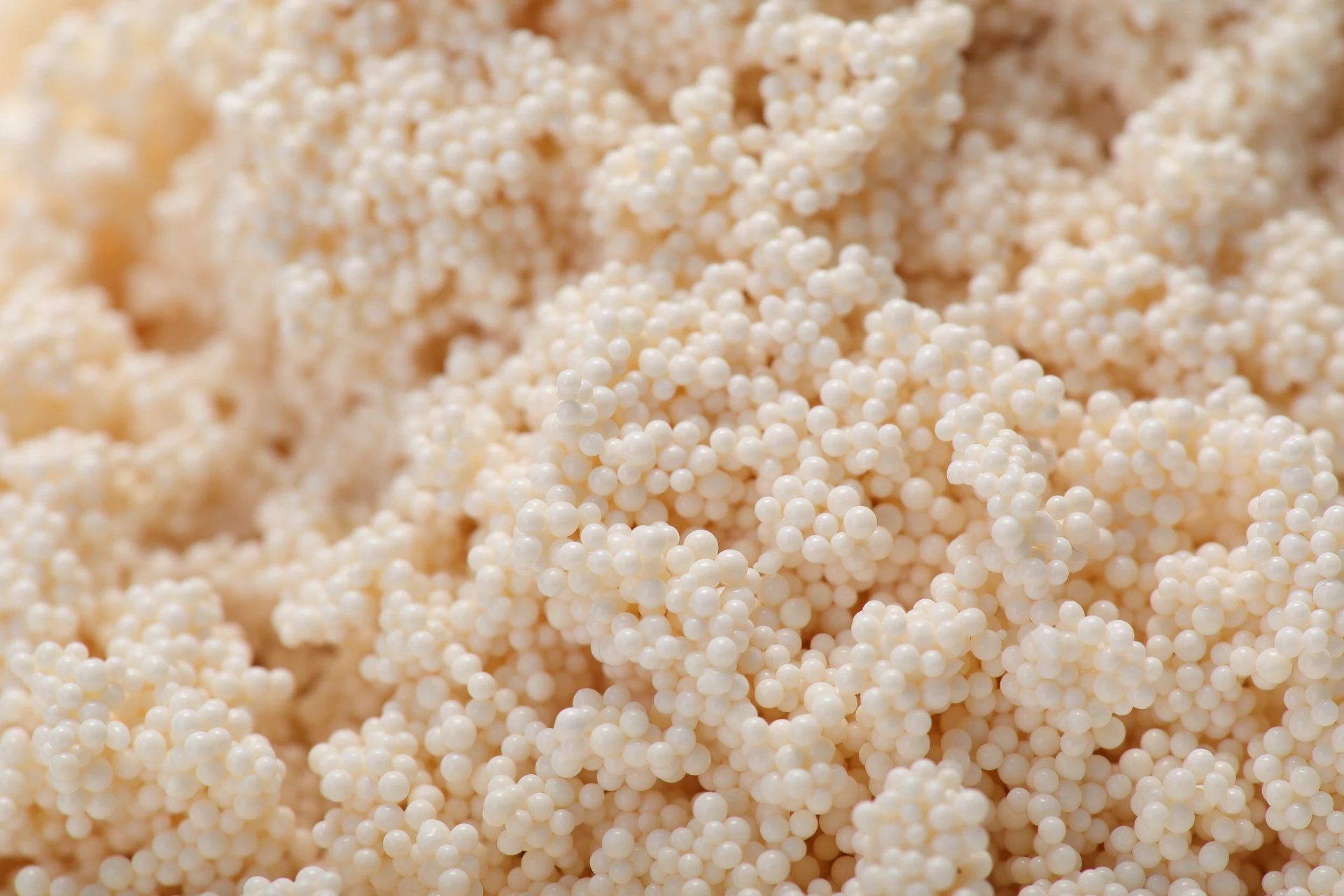
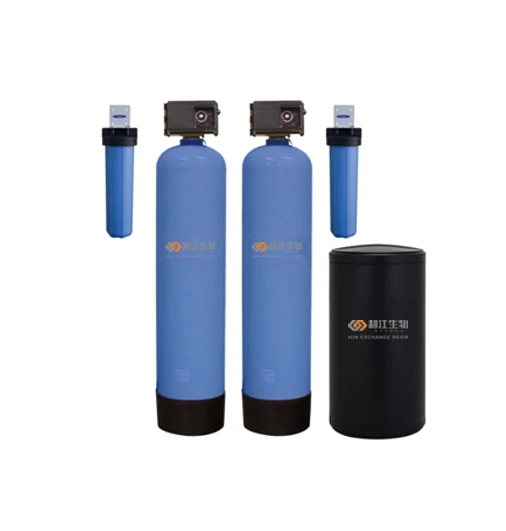
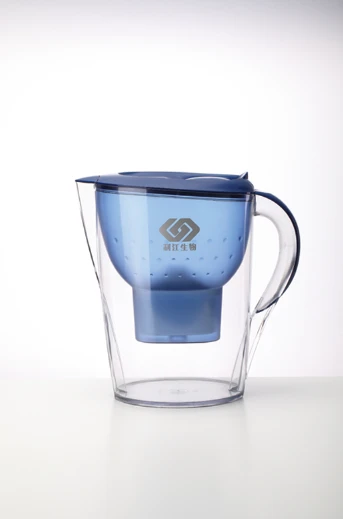
Strong Acid Cation Exchange Resin 001×10 FG: field notes from plants that actually run If you’ve ever watched a bottling line grind to a halt because hardness spiked, you’ll understand why a dependable ion exchange resin isn’t “nice to have”—it’s the hidden hero. 001×10 FG, made in NO.2 East Jianshe Road, High-Tech Industrial Development South Zone, Wei County, Xingtai, Hebei, China, is a polystyrene–DVB gel-type strong acid cation (SAC) resin with sulfonic groups—basically the functional equivalent of solid sulfuric acid, but tame and bead-shaped. It’s positioned for food-grade water treatment and biochemical extraction, which, to be honest, is where a lot of buyers are steering this year. Why plants choose 001×10 FG Trends first. We’re seeing stricter extractables targets in food and beverage, plus a push for tighter sodium/slip in mixed-bed polishers for biotech. Gel-type SAC resins keep winning because they offer reliable kinetics in clean waters, predictable regeneration, and—in this grade—clean leachables profiles. Several operators told me they appreciated the steady pressure drop and the lack of “mushy” fines after thermal swings. Core specifications (typical, real-world use may vary) Matrix / Type Polystyrene–DVB, gel, SAC (-SO3H) Ionic form (as shipped) H+ (Na+ optional) Total exchange capacity ≈ 1.9–2.1 eq/L (H+) Moisture content ≈ 45–52% Particle size (D50) ≈ 0.6–0.8 mm; UC ≤ 1.6 Whole bead count ≥ 90% Operating pH / Temp pH 0–14; up to ≈120°C in H+ form Density (backwashed) ≈ 1.20–1.28 g/mL Applications we see weekly Food-grade softening and dealkalization ahead of RO or boilers Biochemical extraction: amino acids, enzymes—H+ form acidity helps Polishing in mixed-beds (as the cation component) for lab and WFI pre-steps CIP cycles where predictable regeneration with HCl/H2SO4 matters Process flow, briefly Materials: polystyrene crosslinked with DVB; sulfonation with controlled acid systems; bead finishing and grading. Methods: multi-step washing to reduce extractables, food-contact compliant lubricants only. Testing: capacity by acid-base titration, moisture by oven method, particle sizing by wet screening, whole bead count visual; extractables per NSF/ANSI 61 or EN 12873-2 protocols when specified. Typical service life: ≈ 3–7 years depending on fouling, oxidants, and regeneration discipline. Compliance and data points Food-contact use: 21 CFR 173.25 framework; EU 10/2011 statements available on request Drinking water compatibility: tested to NSF/ANSI 61 extraction limits when specified Quality system: ISO 9001:2015 manufacturing; lot CoA with capacity, moisture, WBC After conditioning, many customers say TOC and odor are “non-issue,” which matches our lab notes Vendor landscape (based on public datasheets) Vendor / Model Capacity (eq/L) Food-grade docs Customization Liji 001×10 FG ≈ 1.9–2.1 21 CFR/EU statements; NSF/ANSI 61 testing on request Particle size, shipped form (H+/Na+), packaging Amberlite IR120 (Na) ≈ 1.8–2.0 Food-contact grades available Multiple grades/mesh ranges Purolite C100E ≈ 1.9–2.1 Food & potable-water statements Form and packaging options Note: values are indicative; always confirm current datasheets. Customization and practical tips Ask for tighter UC for low-pressure, high-bed-depth columns Preconvert to H+ with food-grade acid to minimize startup rinse time Target 4–6 BV/h service, 2–4% HCl or 1–2% H2SO4 regeneration, depending on alkalinity Two quick case notes Food & beverage softening: A canning plant swapped legacy SAC with 001×10 FG. Result: ≈ 8–12% salt reduction per cycle and fewer fines after thermal shocks—operator said pressure stayed “boringly steady.” Biotech amino-acid recovery: In H+ form, columns showed fast loading and clean elution peaks; capacity held within 95% after 120 cycles with routine backwash (their QC tracked this closely). If you’re spec’ing a ion exchange resin for critical food contact or biotech, documentation matters as much as capacity. I guess that’s the real shift: not just how it works on day one, but what you can prove about it on day 1000. Authoritative references US FDA, 21 CFR 173.25 — Ion-exchange resins (food treatment applications). NSF/ANSI 61 — Drinking Water System Components—Health Effects. ISO 9001:2015 — Quality management systems—Requirements.
-
 Strong R & D Capability And Experienced Technical Team
-
Provide Customers With Competitive And Differentiated Products